Want to understand what lies behind a glass of Bandol, or simply enjoy a memorable moment? A visit to the estate is the most direct way to discover it. At Bastide Blanche, in Sainte-Anne-du-Castellet, the walk begins among the vines and ends in the cellar, where our wines are born. Here is what the visit looks like and what you will learn along the way.
Where is Domaine de la Bastide Blanche?
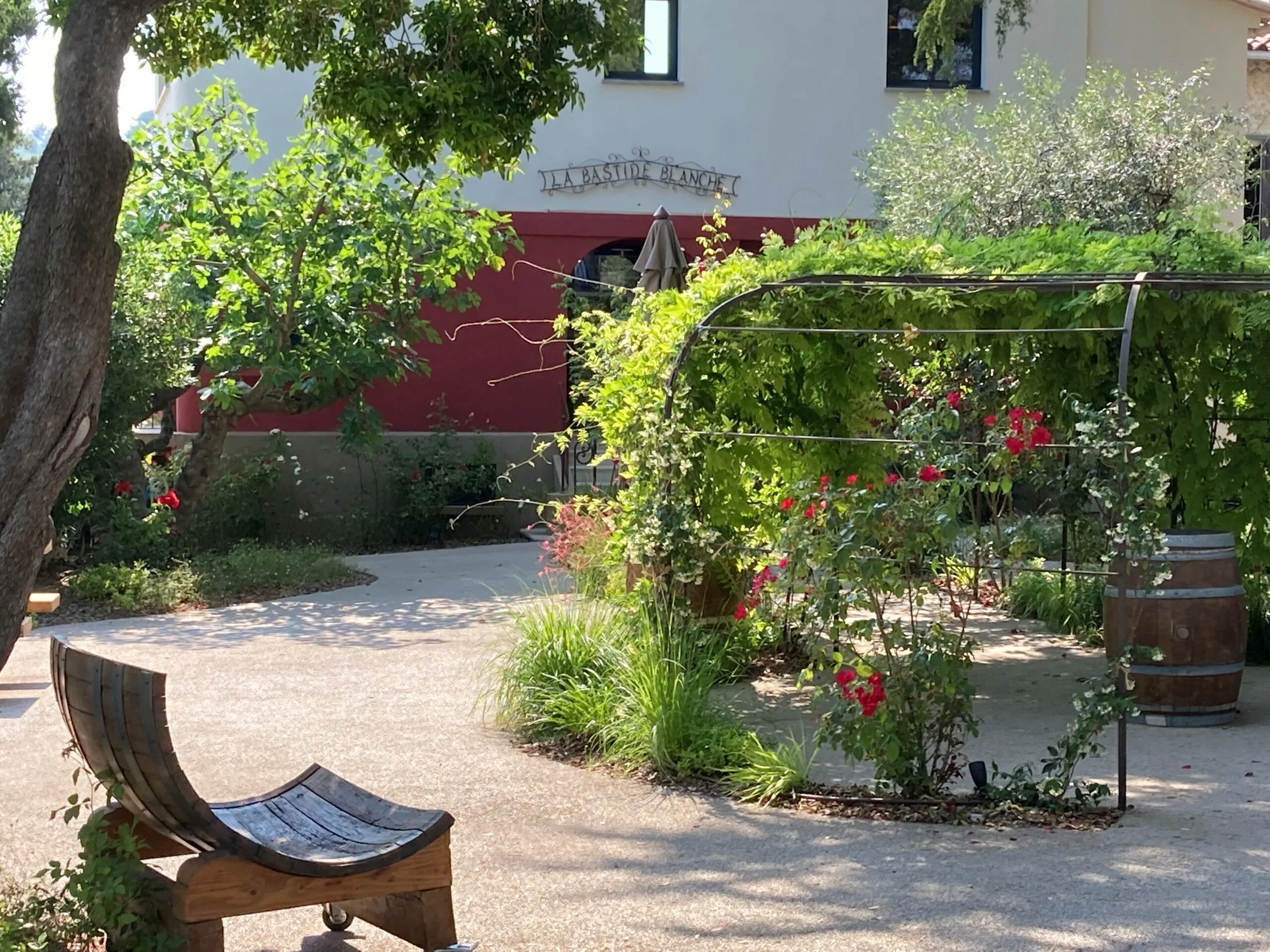
Nestled in Sainte-Anne-du-Castellet, in the commune of Le Castellet in the Var, the estate is a family property owned by the Bronzo family since the early 1970s. Now passed down through three generations, it covers 48 hectares of vines grown on restanques, the dry-stone terraces emblematic of the region, between the Mediterranean and the Sainte-Baume massif.
The estate benefits from a privileged location: the mistral from the north naturally cleanses the vineyard, while sea breezes soften the strongest summer heat. On this south and south-east facing clay-limestone terroir, Mourvedre, the emblematic grape of the Bandol appellation, thrives. Farmed according to organic and biodynamic principles, the estate favors practices that respect the vine and its environment: no herbicides or synthetic fertilizers, manual harvesting and vinification carried out with the greatest care.
Step 01
The walk through the vines
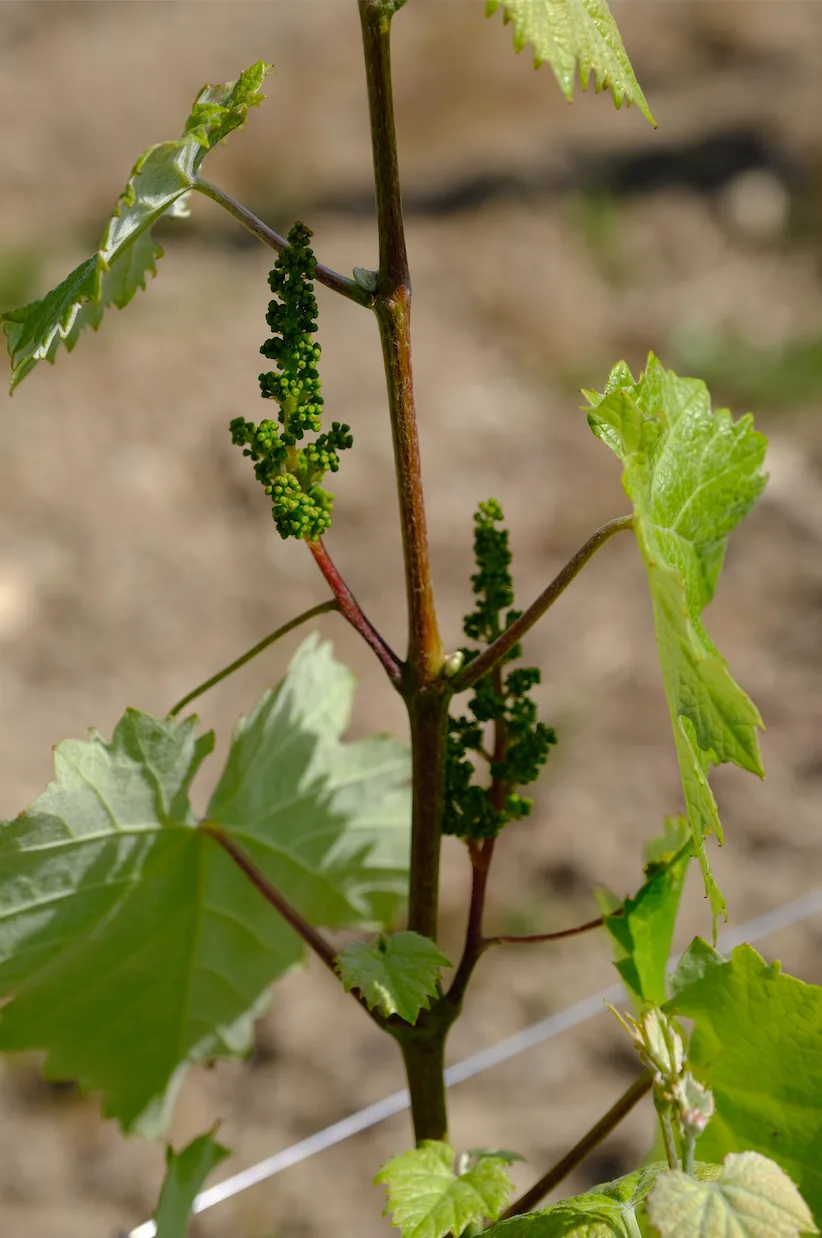
The visit always starts outside, among the vines, because this is where everything begins. We walk between the parcels, touch the soil, and many things become clear once they are right in front of us.
The restanques and the soil. The vines flourish on restanques, dry-stone terraces that follow the natural curves of the hills. Beyond their beauty in the landscape, they play an essential role by holding the soil in place and limiting erosion. The deeply fissured clay-limestone subsoil encourages rainwater to infiltrate and drain. This configuration pushes the vine to develop deep roots, allowing it to draw on the resources it needs even during the driest periods. From this intimate relationship with the soil come the freshness, balance and personality of great Bandol wines.
Mourvedre, explained simply. This is a demanding grape variety. It needs plenty of sun to reach full ripeness, controlled yields, and, as people say here, it must "look toward the sea". It is also said to have "its head in the sun and its feet in the water". This unique microclimate, between the Mediterranean and the Sainte-Baume massif, is precisely what allows it to flourish in Bandol like nowhere else. In our red wines, it represents at least 50% of the blend, one of the requirements of the appellation. It brings power, structure and a remarkable ability to age. In our roses, it expresses another side of its personality: texture, spicy notes and a rare capacity to evolve harmoniously over the years.
Old vines. Part of our vineyard is made up of vines aged between 40 and 80 years. The older a vine is, the less it produces, but the more concentrated and complex its grapes become. This is one of the secrets behind the balance of our wines.
Organic farming and biodynamics. You will discover the work carried out in the soils and the methods we use to respect both the vine and the environment. Bastide Blanche is not only about gastronomic wines: it is also the result of careful work upstream, which we will be happy to explain.
Step 02
The cellar visit
Once the vineyard has been understood, we continue the visit in the shade of the cellar. The contrast is striking: we leave the sun, the scents of garrigue and the sound of cicadas to discover the coolness, calm and aromas of wine in the making.
From harvest to tank. The grapes, picked by hand and sorted carefully, arrive here for vinification. We show you the tanks where the must ferments under controlled temperatures. For whites and roses, the aim is to preserve freshness and aromatic expression; for reds, we look for color, structure and complexity.
Ageing in foudres. This is one of the highlights of the visit and a true signature of Bandol. Red wines from the appellation must be aged in wood for at least eighteen months, most often in foudres. These large oak vessels, able to hold several dozen hectoliters, allow the wine to evolve slowly. Unlike a small barrel, which brings more pronounced woody notes, the foudre respects the wine's expression. It encourages gentle micro-oxygenation that softens tannins, refines texture and brings harmony without masking the fruit. This long ageing transforms a young, spirited Mourvedre into a deep, elegant and silky Bandol.
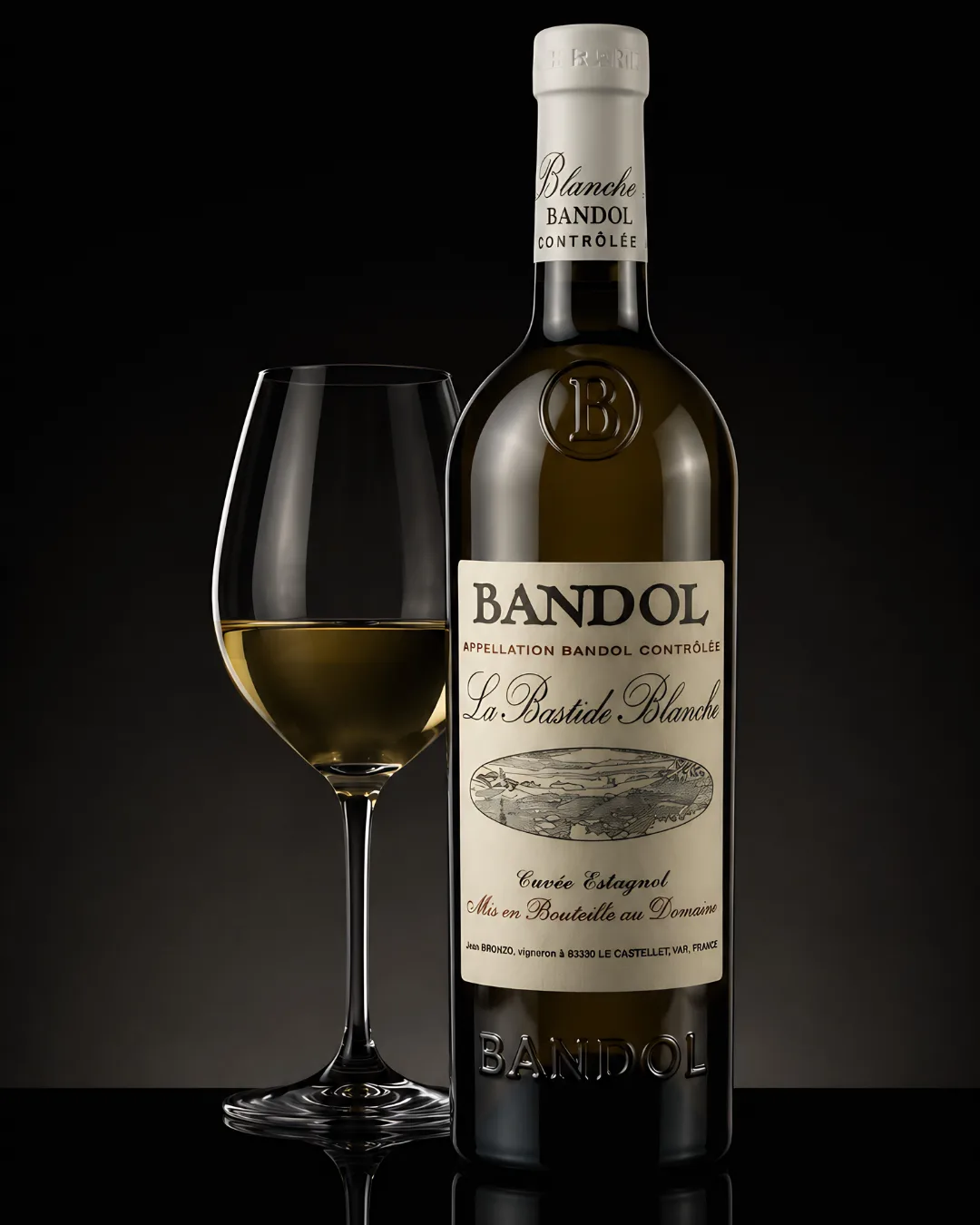
Our wines. We then present the estate's range: La Bastide Blanche in white, rose and red, as well as our single-parcel wines from our finest plots. Each reflects a particular terroir and reveals, vintage after vintage, a different expression of the estate. Here, every wine tells a story of place, climate and time.
Why visit an estate rather than choose a bottle at random?
Because wine is easier to understand once you have seen where it comes from. In one hour of visiting, you leave knowing how to read a Bandol label, recognize Mourvedre, understand what "aged for 18 months in foudre" means and choose the wine that will suit your meal. It is also, quite simply, a beautiful pause in Provence, peaceful and away from the tourist roads.
Book your visit
Visits are by reservation and in small groups, so the exchange remains personal. Allow around 1 to 1.5 hours.
Book a visit & tasting
You can also write to us at contact@bastide-blanche.fr or call us on 04 94 32 63 20. Domaine de la Bastide Blanche - 367 chemin des Oratoires, 83330 Sainte-Anne-du-Castellet.
Frequently asked questions about the visit
Do I need to book to visit the estate?
Yes, visits are by reservation so that we can welcome you in the best conditions and guarantee a guided visit with someone from the estate. Choose your time slot here.
How long does the visit last?
On average 1 to 1.5 hours: one part in the vines, one part in the cellar, then a tasting of the estate's wines.
Can I buy wine on site?
Yes, you can taste and leave with the wines of your choice directly from the estate.
Is the visit suitable for families?
Yes, the walk through the vines appeals to everyone; wine tasting, of course, is reserved for adults.
Alcohol abuse is dangerous for your health. Please drink responsibly.