At Bastide Blanche, winter and early spring are essential periods for preparing the vines of tomorrow. In certain parcels, we renew a few plants to maintain the balance and vitality of the vineyard.
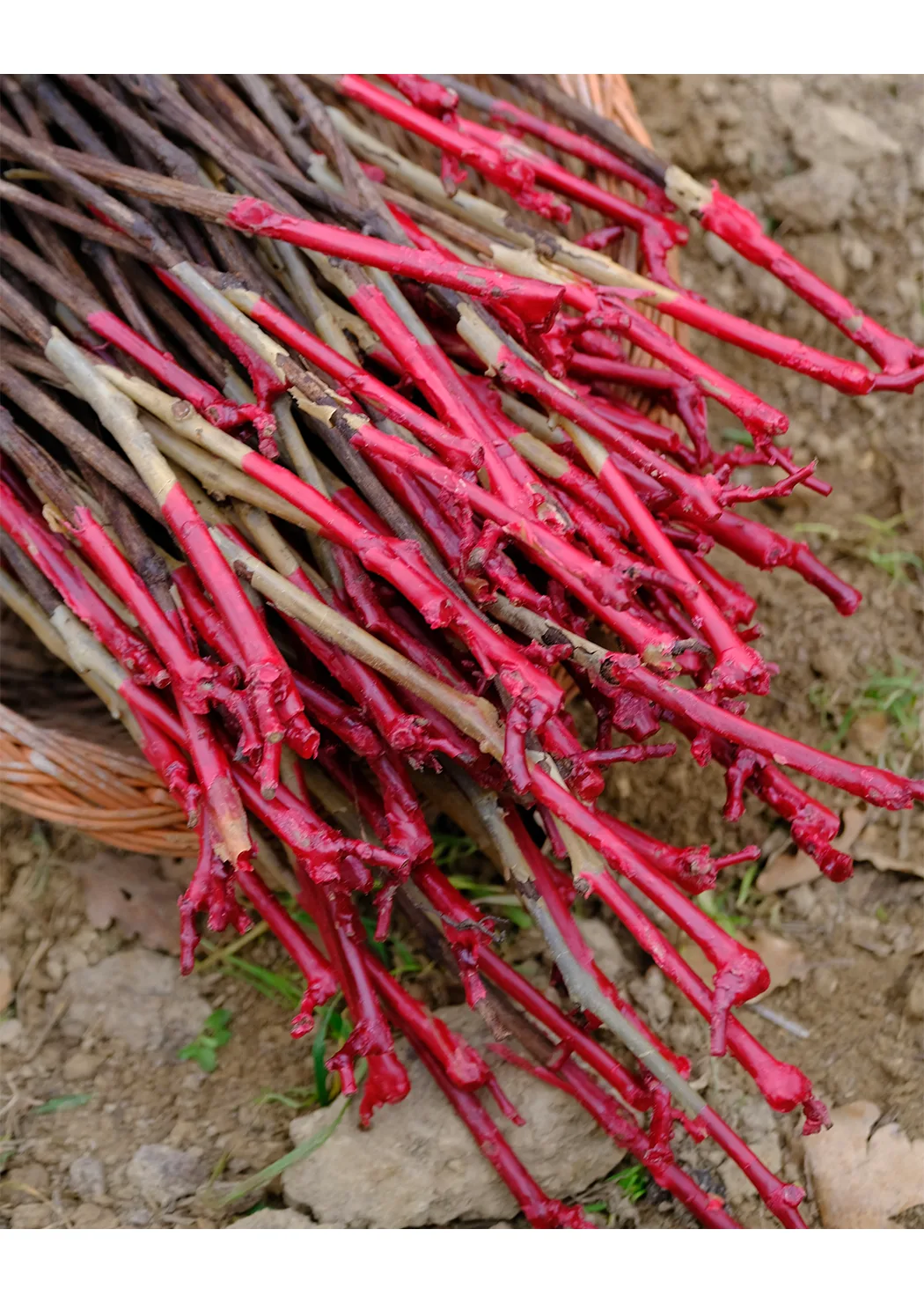
Each young vine plant comes from a graft, a technique that became essential after the arrival of phylloxera. The plant is made up of two parts: the rootstock, which forms the root system and brings resistance and adaptation to the soil, and the graft, which is the grape variety grown at the estate and will produce the grapes.
Controlling the vigor of the young plant
During the first years, the rootstock naturally has a great deal of vigor. The team intervenes to control this energy and encourage the development of the graft. Certain shoots are removed so that all the sap benefits the future vine.
At the graft point, a natural healing callus gradually forms around the union. This area remains fragile at first and requires particular attention. To balance sap circulation and protect the graft, small interventions can be made on the wood to regulate the rise of sap.
Training the future vine
Season after season, the young vine is then trained: we select the straightest shoot to form the future trunk.
It will then take three to four years of patience before these young vines give their first harvests.